


Filing your German tax return can be intimidating, especially if you’re an expat juggling international finances, rental income, or property investments. Yet, with the right preparation and timing, it’s not only manageable—it can actually save you a significant amount of money. This guide breaks down everything you need to know before the year ends, helping you make sense of German tax laws, avoid common mistakes, and maximize your refund opportunities.
Table of Contents
- Why Expats Should File a German Tax Return
- Key Deadlines and the German Tax Year
- Essential Documents and Receipts
- Common Deductions and Allowances for Expats
- How to File: ELSTER, Tax Software or Professional Help
- Tips to Maximize Your Refund
- End of Year Tax Checklist for Expats
- Frequently Asked Questions
Why Expats Should File a German Tax Return
Many expats in Germany assume their taxes are handled automatically through payroll deductions. However, the German tax system allows for significant refunds when you file a voluntary tax return, known as a freiwillige Steuererklärung. Expats often qualify for deductions related to relocation, work expenses, and even property investments. Filing ensures you claim these benefits and remain compliant with German tax law.
Additionally, certain situations make filing mandatory—such as having multiple income sources, working part of the year in Germany, receiving foreign income, or owning property in the country. If you’ve purchased or rented out real estate, a tax declaration can help optimize deductions related to mortgage interest, maintenance, and depreciation.
Key Deadlines and the German Tax Year
The German tax year runs from January 1 to December 31. The filing deadline for individual tax returns is typically July 31 of the following year. However, if you use a tax advisor, this deadline is often extended to the end of February of the next year. For instance, the 2024 tax year can usually be filed until February 2026 when handled by a professional.
To stay ahead, start gathering your documents in November or December. This ensures that by January, you’re ready to submit your tax declaration or hand it off to your advisor. Early preparation is especially important for expats with rental income or cross-border assets, as additional documentation is often required.
Essential Documents and Receipts
Being organized is half the battle when it comes to taxes. Here’s what you’ll need for your German tax return:
- Your annual income statement (Lohnsteuerbescheinigung) from your employer
- Your tax ID (Steuer-ID) and, if applicable, your tax number (Steuernummer)
- Bank details for refunds (IBAN and BIC)
- Proof of insurance contributions—health, pension, and unemployment
- Invoices for deductible expenses such as work equipment, professional training, and relocation costs
- Receipts for donations, childcare, or home office costs
- Statements of any rental or foreign income, to ensure accurate tax calculation under Germany’s double taxation treaties
If you own property in Germany or abroad, keep your purchase contracts, mortgage statements, and any maintenance or renovation invoices. These are essential for determining allowable deductions and property-related tax advantages.
Common Deductions and Allowances for Expats
Expats can benefit from a range of deductions that reduce taxable income. Some of the most relevant include:
Work-Related Expenses
Employees can claim deductions for commuting, business trips, office supplies, or professional education. If you’ve relocated to Germany for work, moving expenses and relocation support costs can often be deducted as well.
Insurance and Health Contributions
Contributions to German public health insurance, pension, and long-term care insurance are partially deductible. If you pay for private health insurance, certain components related to basic coverage can also be claimed.
Family and Child-Related Benefits
Parents can deduct childcare expenses and claim benefits like Kindergeld or Kinderfreibetrag. If you financially support family members, those contributions may also qualify for deductions under certain conditions.
Foreign Income and Double Taxation
If you earn income abroad, Germany’s double taxation agreements ensure you’re not taxed twice. However, you must declare this income in your German tax return. It’s used to calculate your overall tax rate through what’s known as the Progressionsvorbehalt. This step is crucial for expats working remotely or with foreign rental income.
How to File: ELSTER, Tax Software or Professional Help
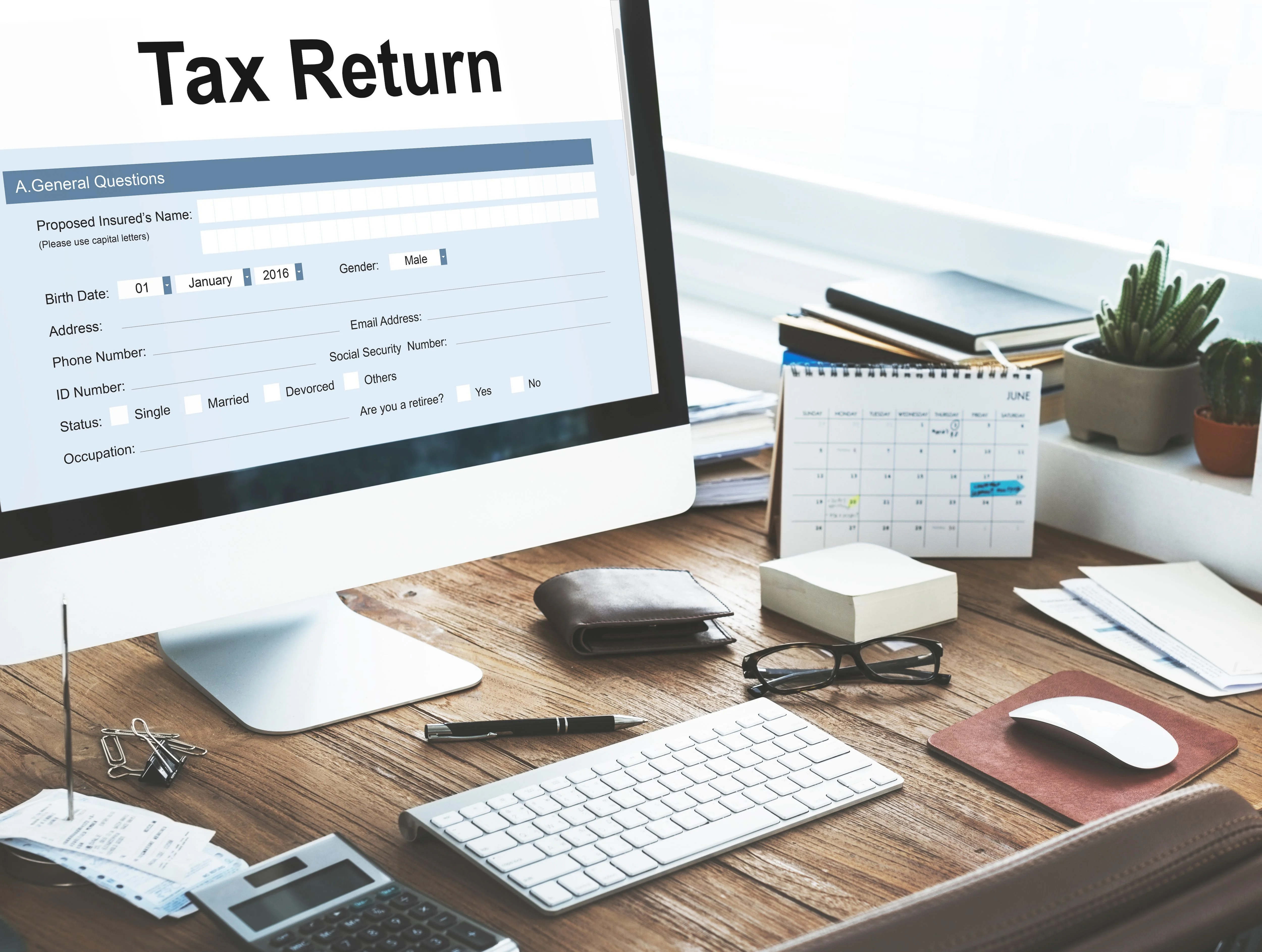
There are three main ways to file your tax return in Germany. The official government portal, ELSTER, is free but available only in German, which can be challenging for many expats. Alternatively, digital tools like tax software can simplify the process, guiding you step by step in English or multiple languages.
For expats with complex financial situations—especially those owning real estate, managing foreign income, or working as freelancers—a tax advisor (Steuerberater) is the safest route. They can identify overlooked deductions, ensure compliance with German law, and prevent unnecessary penalties.
Tips to Maximize Your Refund
- Gather all receipts, invoices, and expense records early.
- Track professional expenses throughout the year to avoid missing deductions.
- Check if a joint tax filing with your spouse could lead to a better tax rate.
- Keep documentation for foreign income and assets organized for transparency.
- Consider consulting a tax professional before making year-end financial moves such as donations or investments.
If you own investment properties or are considering buying one, running calculations on potential tax implications can help you plan better. You can use the Property Investment Calculator to understand how property-related expenses and depreciation could affect your tax return.
End of Year Tax Checklist for Expats
Before December 31, take time to review your finances. A well-prepared year-end checklist helps you stay compliant and maximize your tax efficiency.
- Confirm your employment income and request your Lohnsteuerbescheinigung early.
- Review and download all bank, insurance, and investment statements.
- Make charitable donations before year-end to claim them for the current tax year.
- Check if any professional expenses can be prepaid and deducted.
- Ensure your tax ID, address, and contact details are up to date with your employer and financial institutions.
- Organize receipts digitally for easier access when filing.
- If you moved, document your relocation costs and related contracts.
Frequently Asked Questions
Do expats have to file a tax return in Germany?
Not always, but it’s often beneficial. Expats with multiple income sources, rental properties, or high work expenses typically receive refunds by filing voluntarily.
When is the tax return deadline in Germany?
The standard deadline is July 31 of the following year. If you work with a tax advisor, it usually extends to the end of February of the next year.
Can I file my German tax return in English?
Currently, the official ELSTER platform is only in German. However, many private software tools and tax advisors offer services in English specifically for expats.
What expenses can I claim as an expat?
Work-related costs, relocation expenses, insurance contributions, and family benefits are commonly deductible. Keeping thorough documentation ensures you don’t miss any.
How long should I keep my tax documents?
Keep your tax records for at least four years. If you own property or run a business, retain them for up to ten years to cover all audit requirements.
Conclusion
Filing your German tax return as an expat doesn’t have to be stressful. With early preparation, good record-keeping, and a clear understanding of what’s deductible, you can take full advantage of Germany’s tax system and potentially increase your refund. Whether you’re managing a salary, side income, or property investments, the key is organization and foresight. If your situation involves real estate or cross-border income, reaching out to a financial advisor can make all the difference in ensuring your tax return is both accurate and efficient.