

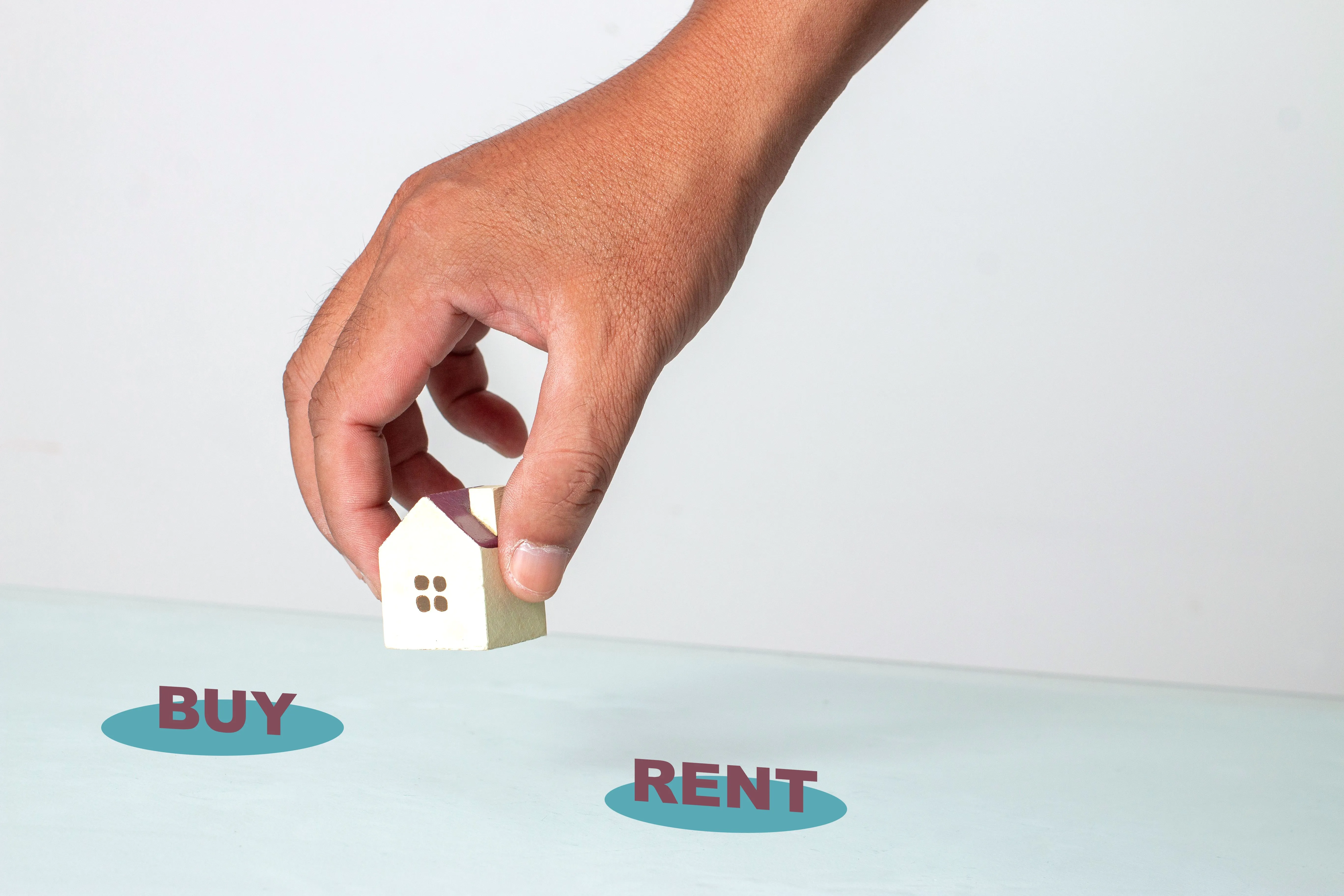
As a financial expert focused on the German property market, I am often asked a deceptively simple question. In 2025, is it wiser for an expat to buy a home in Germany or to keep renting. The answer depends on your time horizon, your tolerance for risk, the structure of your mortgage and the realities of each city. This guide explains the current context in clear language, shows how to compare total monthly cost of ownership with rent, and gives a decision framework that works for Berlin Munich Hamburg and beyond. Where models are useful, I note simple ways to run the numbers without guesswork.
Table of contents
- Market context in 2025 for expats in Germany
- Buy or rent framework for 2025
- What buying a property in Germany means in practice
- What renting a property in Germany means in practice
- City examples Berlin Munich Hamburg
- How to run the math and compare scenarios
- Frequently asked questions
- Decision checklist and next steps
Market context in 2025 for expats in Germany
After a period of adjustment in recent years, the German housing market in 2025 shows signs of stabilisation in many regions. Mortgage pricing reflects a balance between policy conditions, covered bond funding and lender competition. Rents remain firm in large cities where demand outpaces supply. For an expat, this means the buy or rent choice is not a simple nationwide rule. It is a city by city and case by case decision influenced by your income stability, your savings and how long you plan to stay.
A useful way to think about 2025 is to separate what you can control from what you cannot. You can control your loan to value ratio, your initial amortisation level called tilgung, the length of your rate fixation, and the buffer you keep for repairs and life events. You cannot control the exact path of interest rates or the pace at which supply responds in a given district. A calm plan focuses on the former and treats the latter as boundary conditions rather than forecasts.
Buy or rent framework for 2025
Total monthly cost of ownership versus rent
Ownership has recurring costs that go beyond the interest coupon. A realistic monthly ownership budget includes interest, principal repayment, building charges for shared services, a maintenance reserve for the unit, homeowners insurance, property tax and any management fees if you use a service provider. Rent has its own monthly stack that includes net rent and side costs. The decision is not just which line is lower today. It is which path serves your five to ten year goals while keeping risk in a sensible range.
Time horizon and break even
Transaction costs at purchase and at sale are real. If you know that your stay is likely three years, renting often preserves flexibility and can be financially prudent even if ownership looks close in monthly terms. If your horizon extends to ten years or more and your income is stable, buying often becomes competitive once amortisation and rent inflation are considered. The sweet spot varies by city and by property type.
Risk and flexibility for mobile careers
Many expats work in roles with international mobility. If a relocation or role change is plausible, the flexibility of renting has real value. If your employer and family plans anchor you to a city for the medium term, the planning security of a well structured mortgage can be attractive. The right answer is the one that fits your life as much as your spreadsheet.
What buying a property in Germany means in practice
Eligibility and financing for expats
Expats can buy property in Germany. Lenders will look at income stability, contract terms, debt to income and available equity. For salaried employees with a local contract, documentation is straightforward. For internationally mobile profiles or self employed buyers, lenders may ask for additional proof of income and assets. Good preparation shortens the process and improves the strength of your file in the eyes of the bank.
Upfront and running costs that shape affordability
Beyond the purchase price, buyers face notary and land registry fees, real estate transfer tax, and in some cases an agent fee depending on the region and agreement. Running costs include building charges, maintenance and insurance. If you model these realistically, you avoid surprises and you can compare your monthly ownership cost with a comparable rent on a fair basis.
Structure matters more than chasing the last decimal point
Two loans at the same headline coupon can produce very different life outcomes. A slightly higher tilgung shortens the effective life of the debt and reduces total interest paid. A longer rate fixation can deliver planning security and protect against the uncertainty of future refinancing conditions. Flexibility rights such as voluntary prepayment each year add breathing room when bonuses or equity events occur. Build your loan around your lifestyle rather than the other way around.
Who should consider buying in 2025
Buying makes sense for expats who plan to stay at least seven to ten years, who have a stable income, who can fund a prudent down payment and who value the control that comes with ownership. It also suits investors who seek long term exposure to German real estate and who are prepared to manage a unit or engage a professional manager.
What renting a property in Germany means in practice
Flexibility and lower commitment
Renting offers a clear advantage for mobile careers. You can live in a prime district, test schools or commute patterns and adjust within a reasonable time frame. You avoid purchase transaction costs and you avoid the risk that you need to sell during a soft phase of the market. For many expats in their first years in Germany, renting reduces complexity while they learn the city.
When renting beats buying in 2025
Renting is sensible when your time horizon is short, when your income path is uncertain, or when comparable net rent is far below the full ownership cost even after you model amortisation. It is also attractive when you expect to change cities within a few years and do not wish to manage a unit remotely or hire a manager.
How to make renting work for your long term goals
If you choose to rent, you can still progress toward your long term goals by saving the difference between your rent and a realistic ownership budget, or by investing in diversified assets. You retain flexibility and build capital for a later purchase once your plans settle.
City examples Berlin Munich Hamburg
Berlin
Berlin offers a wide range of districts and price points. For many expats the entry ticket is lower than in Munich which makes ownership math more forgiving. The rental market remains tight in central areas. If your work and social life are anchored in the city and you can commit to a medium term horizon, buying a well located unit with sound building fundamentals can be compelling. If you expect to rotate internationally within a few years, renting keeps you nimble.
Munich
Munich is a premium market with strong demand drivers and limited central supply. Entry prices are higher and small rate changes can meaningfully affect monthly payments. Buying often works best for households with strong income visibility and a clear plan to stay. Renters benefit from flexibility while exploring districts that balance commute, schools and lifestyle.
Hamburg
Hamburg sits between Berlin and Munich in many comparisons. It offers a diverse economy and a broad tenant base. Ownership can be attractive for buyers who value stability and long term planning. Renting suits those who want to test different quarters before committing.
How to run the math and compare scenarios
Compare monthly ownership cost with rent on equal terms
Start with a single apartment as if you were ready to sign. Estimate the loan size based on your down payment. Use an annuity structure and pick a rate fixation that matches your planning horizon such as five or ten years. Add building charges, a maintenance reserve and insurance to the monthly loan payment. Then compare that total with net rent and side costs for a similar unit. This removes guesswork and gives you a clear view of the trade off.
Run sensitivity analysis for rate changes and tilgung
Test how your monthly payment changes when the rate moves up or down by twenty five basis points. Adjust tilgung by small steps to see how fast you build equity and how the payment changes. A simple model makes these comparisons easy and keeps discussions with partners and lenders focused on facts. You can model these scenarios quickly with our calculator. Property Investment Calculator
Shortlist properties that truly match your budget band
To save time, filter by city, price range, building type and expected rent. This produces a shortlist that fits your financing plan. You can then run calculator cases for each object and bring a complete file to your bank meeting. Real Estate Search Engine
When to ask for a human review
Complex income, a cross border situation or a portfolio refinance deserves a conversation with a specialist. Five minutes of expert review can prevent weeks of back and forth. If you want a tailored view of your case, reach out here. Contact us
Frequently asked questions
Is buying cheaper than renting in Germany in 2025
It depends on the city, the unit, your down payment and the structure of your loan. In cities with higher prices and strong rent demand, renting can be cheaper monthly, while ownership can make sense over a longer horizon as amortisation builds equity.
How much down payment do expats typically need
Many banks expect a prudent equity contribution for primary residences and more for pure investments. Your profile, property type and location influence the expectation. A stronger equity position often improves pricing and approval chances.
Can foreigners buy property and get a mortgage in Germany
Yes. Expats can buy and finance homes. Lenders focus on income stability, visa and residence status, debt to income and the quality of the property. Strong documentation and a sensible plan make the process smoother.
What time horizon makes buying more attractive
Many buyers find that seven to ten years is a helpful rule of thumb for a primary residence. This allows transaction costs to be spread over time and reduces the risk of selling during a soft patch. If your horizon is shorter, renting often preserves value and flexibility.
How do rate fixation choices affect the decision
Shorter fixations can price lower at times but increase refinancing risk. Longer fixations can price a little higher but provide planning security. Choose the fixation that matches your life plans and test it in your calculator scenarios.
What ongoing costs do owners often forget
Commonly overlooked items include maintenance reserves for the unit, building fund contributions in multi unit buildings, insurance and periodic upgrades to keep the unit competitive if you plan to let it out later.
Decision checklist and next steps
Quick checklist
- Define your time horizon and city plan
- Confirm income stability and comfortable debt to income range
- Decide on a target loan to value and initial tilgung
- Build a buffer for three to six months of total housing cost
- Compare a specific ownership case with a similar rent on equal terms
- Run sensitivity analysis for rate and tilgung
- Shortlist properties that fit your budget band
If the numbers and your life plans point toward ownership, prepare your documents and open a dialogue with lenders. If your plans are fluid or the ownership cost is materially above rent, keep renting while you build capital and watch the market. Either way, use tools that make decisions objective. Contact us