

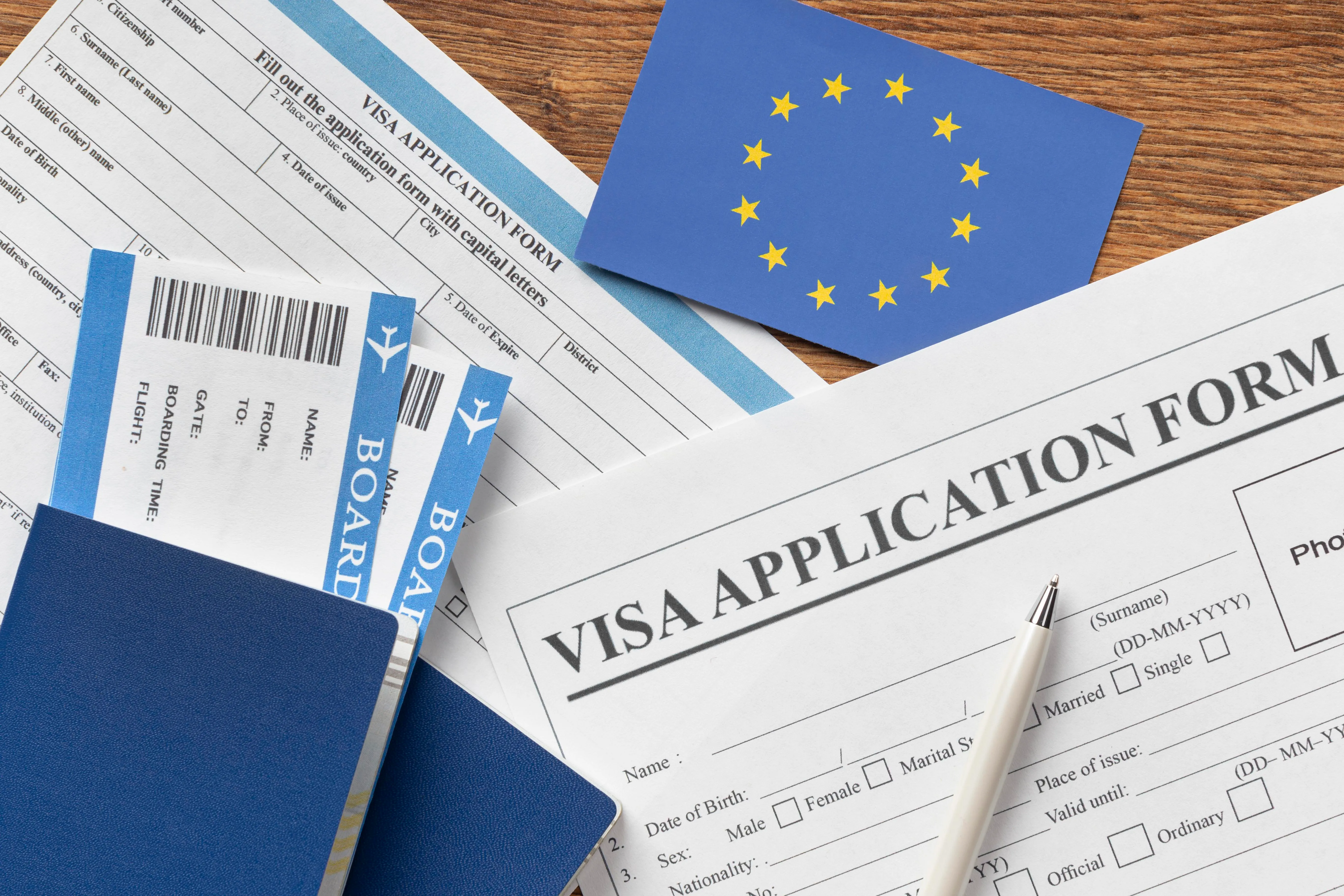
As a financial expert who helps international buyers and tenants navigate the German market, I see one prerequisite trip up newcomers more than any other. Health insurance. Whether you are applying for a short stay Schengen visa or a long stay national visa and residence permit, the right policy and the right proof decide how smoothly your move proceeds. This guide explains what counts as sufficient insurance, how requirements differ between Schengen travel insurance and long stay residence cover, and how to align policy dates with employment and university timelines. Where it helps your relocation plan, I also show how insurance choices interact with rent, mortgage planning and city selection.
Table of contents
- Overview of Schengen insurance and German residence insurance
- Schengen visa travel medical insurance requirements
- Germany residence permit health insurance requirements
- What policy you need by profile
- Proof and documents the embassy or authority expects
- Costs coverage and budgeting tips for newcomers
- Relocation planning with housing and financing in mind
- Common pitfalls and how to avoid them
- Frequently asked questions
- Next steps
Overview of Schengen insurance and German residence insurance
Schengen travel medical insurance is designed for short stays of up to ninety days within a one hundred eighty day window. It is a travel policy that focuses on emergency treatment and repatriation and it must be valid for all Schengen states during the entire trip. German residence insurance for national D visas and residence permits is different. For long stays you need comprehensive health insurance comparable to statutory coverage in Germany. Travel insurance is not sufficient for long stay purposes. Understanding this split is the key to a successful application and a smooth move.
Schengen visa travel medical insurance requirements
Coverage minimums you must meet
Schengen travel medical insurance must provide a minimum of thirty thousand euro medical coverage and it must explicitly include medical evacuation and repatriation of remains. Validity must span the entire period of your stay and the policy must be accepted in all Schengen countries. A certificate that states coverage amount, policy number, dates of validity and emergency contact details is standard. If you hold a passport that is visa exempt for short stays you are not required to present a visa or a policy at the border, yet buying a compliant travel policy is still prudent for medical and repatriation risks.
When a multi trip plan is acceptable
Frequent travelers sometimes use an annual multi trip plan. This can be acceptable if each planned stay falls within the single trip limit of the policy and the total Schengen rules are respected. The certificate should clearly show that the policy covers all Schengen states and includes repatriation. If you are unsure, request a letter from the insurer that lists these points in plain language.
Germany residence permit health insurance requirements
What counts as sufficient cover for long stays
Applicants for German national D visas and residence permits must show comprehensive health insurance that is equivalent to the benefits of statutory health insurance. Acceptable forms are statutory health insurance membership, voluntary statutory membership for eligible profiles or a private comprehensive policy that meets German standards. A short stay travel policy does not qualify for a long stay visa or a residence permit. The start of coverage must align with entry or with the start of employment or study as specified by the mission or foreigners office.
Public and private options explained in simple terms
Statutory insurance known as GKV covers outpatient treatment, inpatient hospital care, maternity, preventive services and much more under a widely accepted network. Contributions are income based for employees and follow published rates with an additional surcharge by the chosen fund. Private comprehensive insurance known as PKV is based on individual risk, age and selected benefits. It can be suitable for some professionals and for certain self employed profiles but it requires careful reading of benefits, deductibles and future premium development. For the visa and residence process both forms can be accepted when they meet the sufficiency standard.
What policy you need by profile

Students including language students
Universities require valid health insurance for enrollment and the visa process requires proof as well. Many students join statutory student tariffs when eligible. Private incoming student policies can be accepted in defined cases if they meet the sufficiency criteria, but not all travel student plans qualify. Confirm exact requirements with your university and ensure the start date matches the enrollment or arrival date. A simple rule is to have coverage from the day you enter Germany.
Employees and EU Blue Card applicants
Employees usually join statutory insurance through payroll from the first day of the contract. For the visa appointment or initial residence permit, a confirmation of enrollment or a binding confirmation of inclusion from the insurer is often used. Blue Card applicants follow the same logic. The dates on the confirmation must align with the contract start.
Freelancers self employed and researchers
Self employed expats can join voluntary statutory insurance when eligible or purchase private comprehensive coverage that meets German standards. Evidence typically includes a policy certificate that lists start date, scope of benefits and German or English documentation. Because underwriting can take time, begin early so that your policy start matches your intended entry or permit date.
Family reunion and dependents
Spouses and children may be co insured in statutory insurance under family coverage if the conditions are met. Where private comprehensive insurance is in place, dependents need adequate private coverage as well. The embassy or foreigners office will ask for documents that prove the scope and start date of coverage for each family member.
Proof and documents the embassy or authority expects
For Schengen travel insurance
Provide a certificate with the insured person name, policy number, exact validity dates, coverage of at least thirty thousand euro, clear mention of medical evacuation and repatriation and a statement that the policy is valid for all Schengen states. Ensure the certificate is readable in English or German. Keep a copy with your passport during travel.
For national D visas and residence permits
Provide a statutory membership confirmation, a voluntary statutory confirmation or a private comprehensive policy certificate that lists benefits comparable to statutory coverage. The start date should be on entry or on the employment or study start as required. If the insurer issues a letter that your enrollment will activate on the day your employment begins, include that letter and the preliminary policy details so the authority can see continuity of cover.
Costs coverage and budgeting tips for newcomers
Typical contribution patterns
For employees in statutory insurance, contributions are a percentage of gross income up to an assessment ceiling. Employer and employee share the contribution, which makes budgeting straightforward. In private comprehensive plans, monthly premiums depend on age, health and chosen tariff. Lower deductibles and richer benefits increase the premium. Plan for first month contributions and any back billing when activation happens mid month.
Coverage scope you should look for
For long stays aim for comprehensive cover that includes outpatient and inpatient treatment, prescription drugs, medically necessary transport, maternity and preventive care. Read exclusions for pre existing conditions and waiting periods. For Schengen travel insurance ensure emergency treatment and repatriation are clearly included and that claims can be handled while you are in Europe.
Aligning insurance with your housing and cash flow plan
Your monthly housing budget and your insurance contribution compete for the same cash flow. Protect your liquidity by modeling both together. If you are exploring purchase options or long leases, run a quick scenario that layers the expected insurance contribution on top of rent or mortgage estimates. This keeps your debt to income and rate to income in a sensible band. You can test mortgage and rent sensitivity with a simple tool here if you are already considering a purchase. Property Investment Calculator
Relocation planning with housing and financing in mind
Sequence your steps for a calm first quarter in Germany
Start by locking the correct insurance proof for your visa path. Next, shortlist cities and districts that fit your budget and commute. Finally, prepare a tidy file for landlords or lenders that includes proof of income, proof of insurance and identification. This sequence reduces friction at viewings and at the bank counter, since many owners and lenders appreciate applicants who present a coherent risk picture from the start. If you want to assemble a shortlist quickly, filter by city and price band before you commit to appointments. Real Estate Search Engine
How insurance interacts with landlord and lender expectations
Landlords focus on stable income and responsible housekeeping, while lenders focus on debt service capacity and risk. Both expect continuity of health insurance because it signals that you planned your stay professionally. When your documents show a clear insurance start date that aligns with your entry or employment, you remove a common objection and keep negotiations focused on rent, deposit and contract terms rather than paperwork gaps.
Common pitfalls and how to avoid them
Submitting travel insurance for a long stay application
Travel policies are built for short stays and do not meet the sufficiency test for national visas or residence permits. Always provide statutory or private comprehensive evidence for long stays. If you initially secured travel insurance for flights and hotel bookings, keep it for the trip but add the correct comprehensive policy for the visa file.
Start date gaps that create coverage holes
Applications sometimes fail because the policy starts after entry or after the contract date. Align the dates carefully. If statutory enrollment is tied to payroll, request a binding confirmation that your cover activates on the first day of work and include it with your application.
Certificates that omit repatriation or Schengen wide validity
For Schengen travel insurance, check your certificate line by line. It should state the coverage amount, repatriation, and validity in all Schengen states. If any of these lines is missing, request an updated certificate before your appointment.
Frequently asked questions
Is thirty thousand euro coverage enough for a Schengen visa
Yes. That is the minimum medical coverage required for Schengen travel insurance. Many travelers choose higher limits for added comfort, but the baseline is thirty thousand with medical evacuation and repatriation included.
Can I use Schengen travel insurance for a German national D visa
No. For long stays you must show comprehensive health insurance that is equivalent to statutory coverage. Travel insurance alone is not sufficient for a D visa or a residence permit.
Do students need German health insurance to enroll
Yes. Universities require proof of health insurance for enrollment and consulates require it for visas. Student statutory tariffs are common when eligible. Private incoming policies are accepted only where they meet the sufficiency standard.
What proof does an employee show at the visa appointment
Provide a confirmation of inclusion in statutory insurance or a private comprehensive policy certificate with a start date that matches the first day of employment. Some missions accept a binding confirmation letter that activates on contract start.
Can I switch from a temporary private plan to statutory after arrival
Many newcomers transition from an interim private policy to statutory once employment starts or eligibility changes. Keep continuous coverage and collect written confirmations for each switch so the foreigners office can verify there is no gap.
What happens if I change cities after arrival
Insurance coverage follows the person rather than the city. Notify your insurer of address changes and keep certificates updated. When you search in a new city, present current proof of insurance alongside your income documents at viewings to show reliability.
Next steps
Choose the correct policy for your visa path, align the start date with entry or employment and collect clear certificates for every family member. Build a simple relocation file that includes insurance, income and identification and take it to each viewing or bank meeting. If your move includes a property purchase decision, test your budget with a quick model and compare districts before you fly in for viewings. For tailored help with numbers or with a relocation search, Contact us.